(This Article is based on an exclusive interview of eminent photographer, writer and educator Tom Griggs with Indian Documentary Photo Collective)
In an era saturated by an endless influx of digital imagery, the definition of documentary photography is undergoing a profound structural shift. For decades, the documentarian was viewed strictly as an active witness. Today, however, photographers are taking a step back and looking at historical repositories, family albums and found photographs to build their narration.
Speaking to InDPC on photography and documenting history through pictures, photographer, writer, and educator Tom Griggs breaks down the psychology of archival photography and what it means to be a photographer in the age of AI and digital photography. Griggs outlines an expanded field of documentary practice, one where the photographer acts not merely as an image-maker, but as an archivist, a curator, and a seeker of memory. His insights address a vital question confronting the medium today: How do archival images and found photographs actively shape, deepen, and complicate a contemporary documentary narrative?
Entering the Dialogue: The Multigenerational Conversation
At the heart of working with archives is the recognition that no single photograph exists in a vacuum. Griggs emphasizes the importance of understanding our placement in history, noting that we must “think of ourselves in conversation as photographers with our contemporaries… but also with our past”. When a contemporary photographer integrates an archival artifact into their work, they are refusing to repeat what has already been said. Instead, they choose to build a conscious dialogue across generations “so that we are adding to the conversation and not repeating it”.
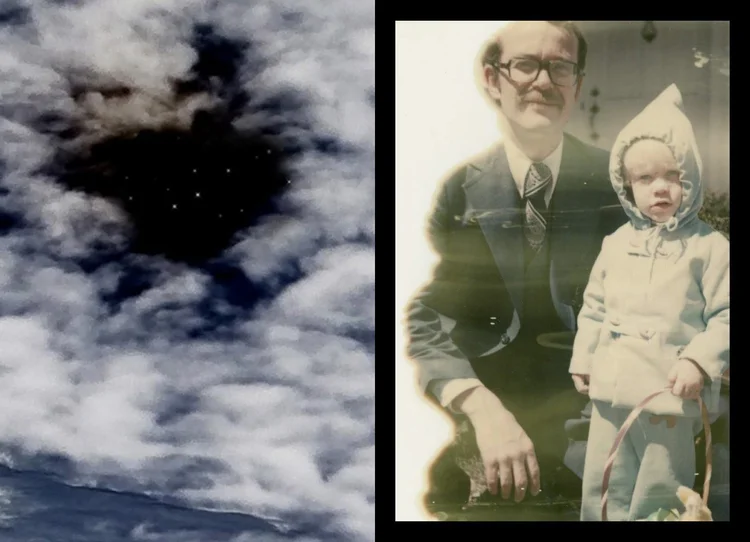
Griggs notes that family archives carry an acute narrative power. Reflecting on his own practice, he describes the sensory and cognitive experience of exploring family histories: “Thinking about the idea of generations, then looking at the photographs themselves is really an experience and an understanding of myself, as well as the generations of my family, and how they lived”.
His early research into the family’s photo archives culminated, years later, into two books that document his family history in breathtaking detail. “The books use the archives, photographs from other family members, and images from sources like Google Maps. Family photo archives describe our families in a way that reflects other people’s stories, too. My goal is to share universal ideas that other people might relate to… So, it’s not only about my cousin, my father or my grandmother, but about universal ideas or shared experiences.” he explains.
The Archival Specialism: Curation as Creation
The rise of the digital age has democratized the camera to such an extent that the act of producing a singular, stunning image has become remarkably common. Consequently, the contemporary documentarian’s value is no longer tied strictly to the mechanics of image production. Griggs observes that over the last 10-15 years, contemporary photography has witnessed a massive surge of interest in archival practices, leading many photographers to “begin to think of themselves almost as curators and less as photographers”.
This shift repositions the building blocks of a documentary project. The documentarian does not necessarily have to create new visual matter; instead, they shape meaning by stepping back and pulling threads from public records, personal archives, or the portfolios of other photographers. Griggs draws a literary analogy to clarify this standard: “If I sat here all day with my pencil, I could probably write one line of really good poetry. What I cannot do is write a good poem. What I cannot do is write a full book of really good poems.
“What is really hard is not to make an interesting image or to find an interesting image in an archive. It’s to shape the story. It’s to make the form. It’s to put 60 photographs together that are coherent, that work together, that tell a powerful story…”. Found photographs act as narrative anchors within this sequence, lending historical gravity and providing a distinct texture that raw digital files cannot replicate on their own.
The Antidote to the Artificial
The sudden, meteoric rise of generative Artificial Intelligence has brought the core philosophy of photography to an existential crossroad. When asked about this technological paradigm, Griggs offers a profoundly reassuring counter-perspective that highlights the unique value of both documentary style and archival preservation.
When asked what is the one thing it [AI] cannot do, Griggs says, “It cannot be in the real-world. It cannot observe what’s happening in a very specific time and place, and it cannot go into the past and photograph”. This absolute limitation of technology marks the exact boundary where the power of the archive resides. An archival image is a physical, historical trace to a precise, witnessed moment. When placed alongside modern documentary photographs, archives lend a heavier intensity to the story being told.
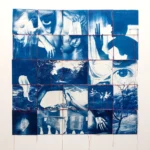
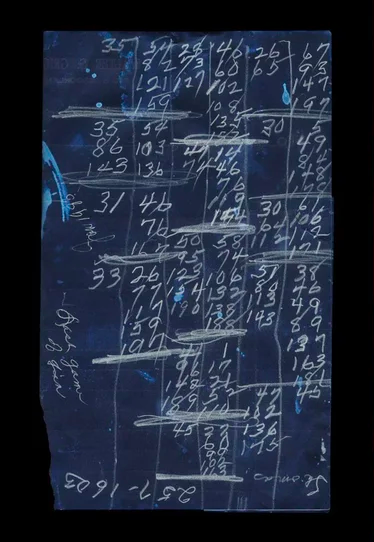
Furthermore, Griggs links this archival turn to a broader revival of historic analogue processes, such as cyanotypes and photograms. Griggs observes that “as we become more digital, we become more and more removed from the physical world and the tactile… People have a lot of nostalgia for that… it’s actually something about the human spirit… about missing the real world and the physical world”.
A Lesson in Patience and Vision
Modern documentarians are frequently trapped in a rush for instant recognition, yet the deep excavation of history resists acceleration. Griggs counsels that the most powerful documentary projects are those rooted fundamentally in the photographer’s internal vision rather than the surface level of their subject matter. It is the specific manner of interpreting reality, the interface of the individual human soul with historical fact, that truly compels a viewer.
“So, take time, be respectful of the time things take, and do things well,” Griggs concludes. The integration of archival images and found photographs is an act of patient excavation. It demands that the storyteller look closely at the remnants of yesterday, listen to the echoes of forgotten voices, and weave them carefully into the fabric of today. In doing so, the documentary narrative ceases to be a mere transient snapshot; it becomes an enduring monument of human history, identity, and shared experience.
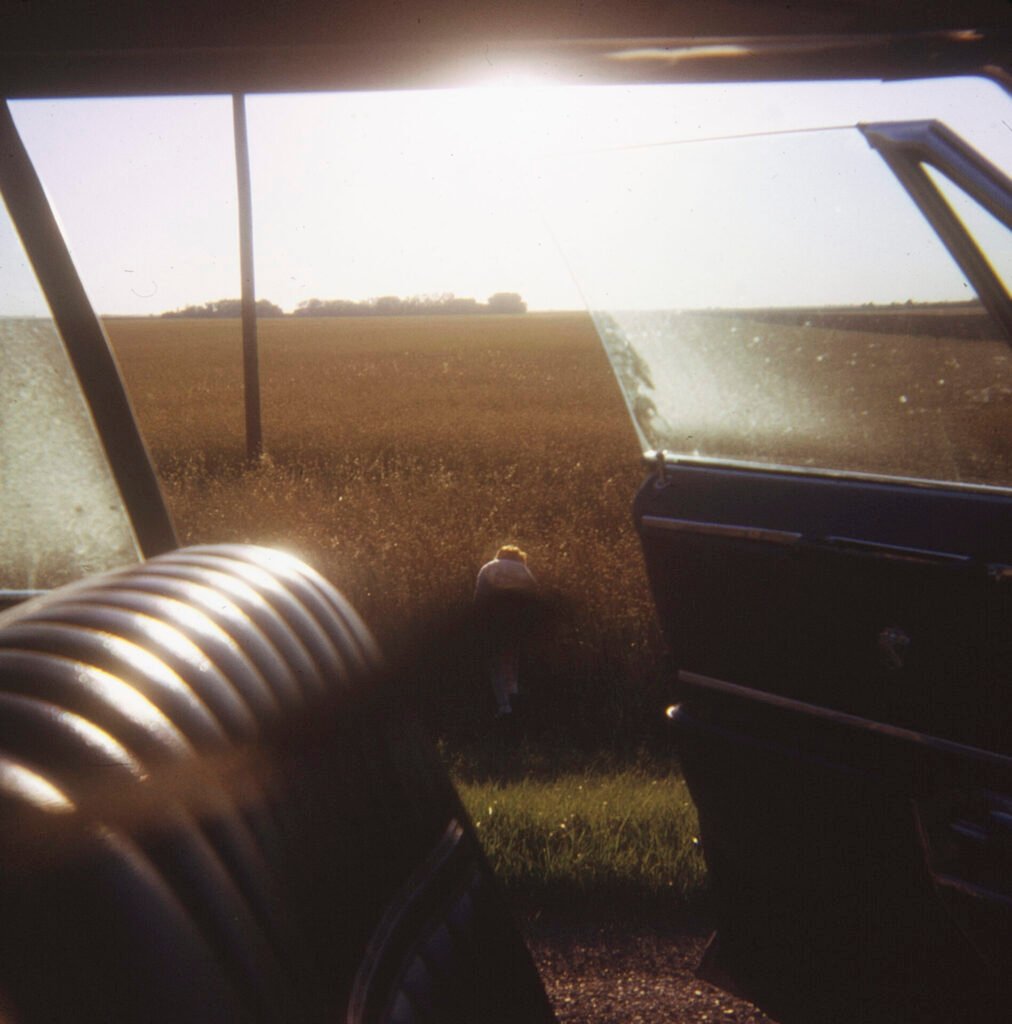
All Image © Tom Griggs