Lens based multidisciplinary Artist Shrabana Das traces the blurred out presence of women in one of Bengal’s dwindling folk cultures.
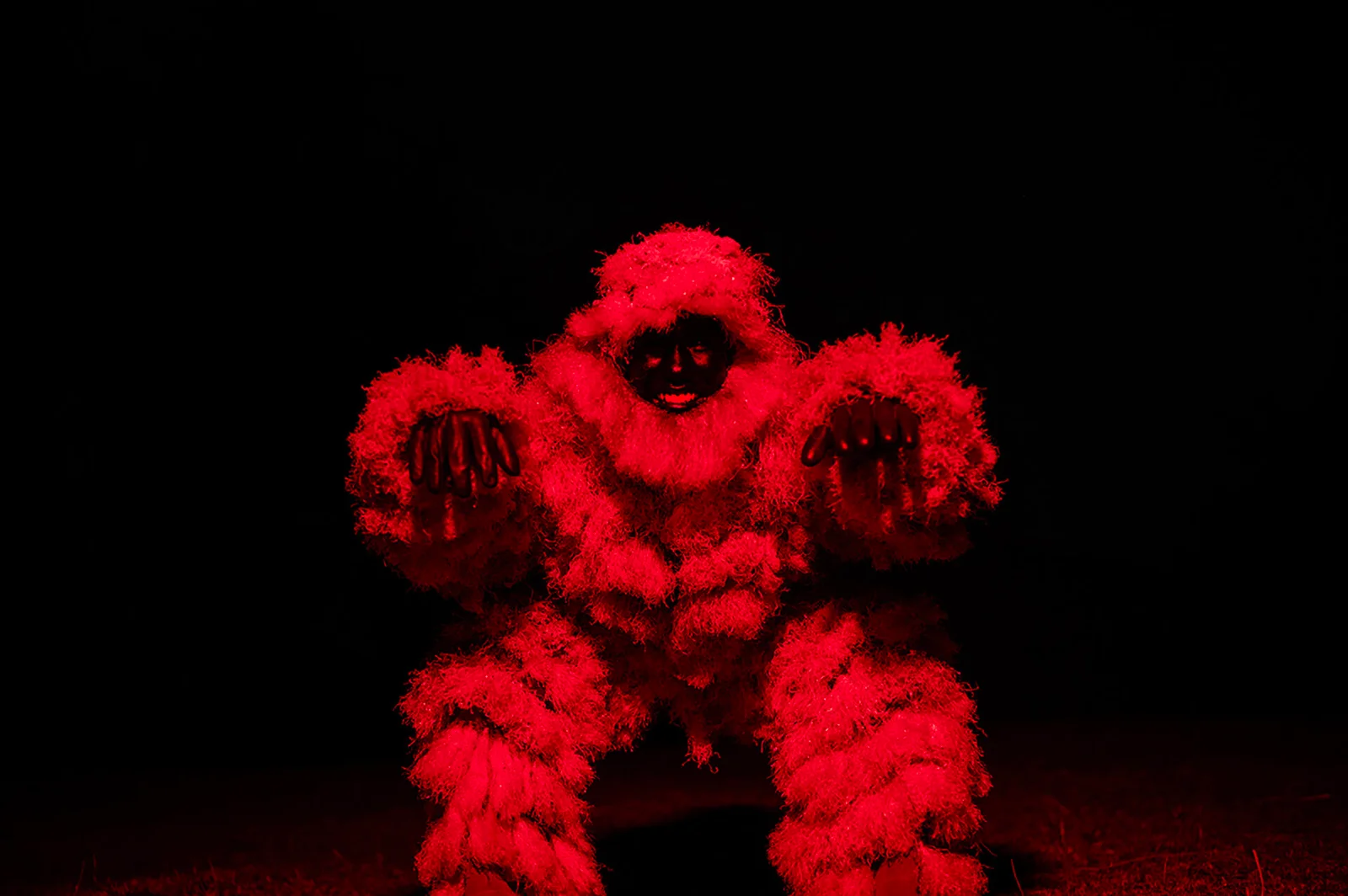
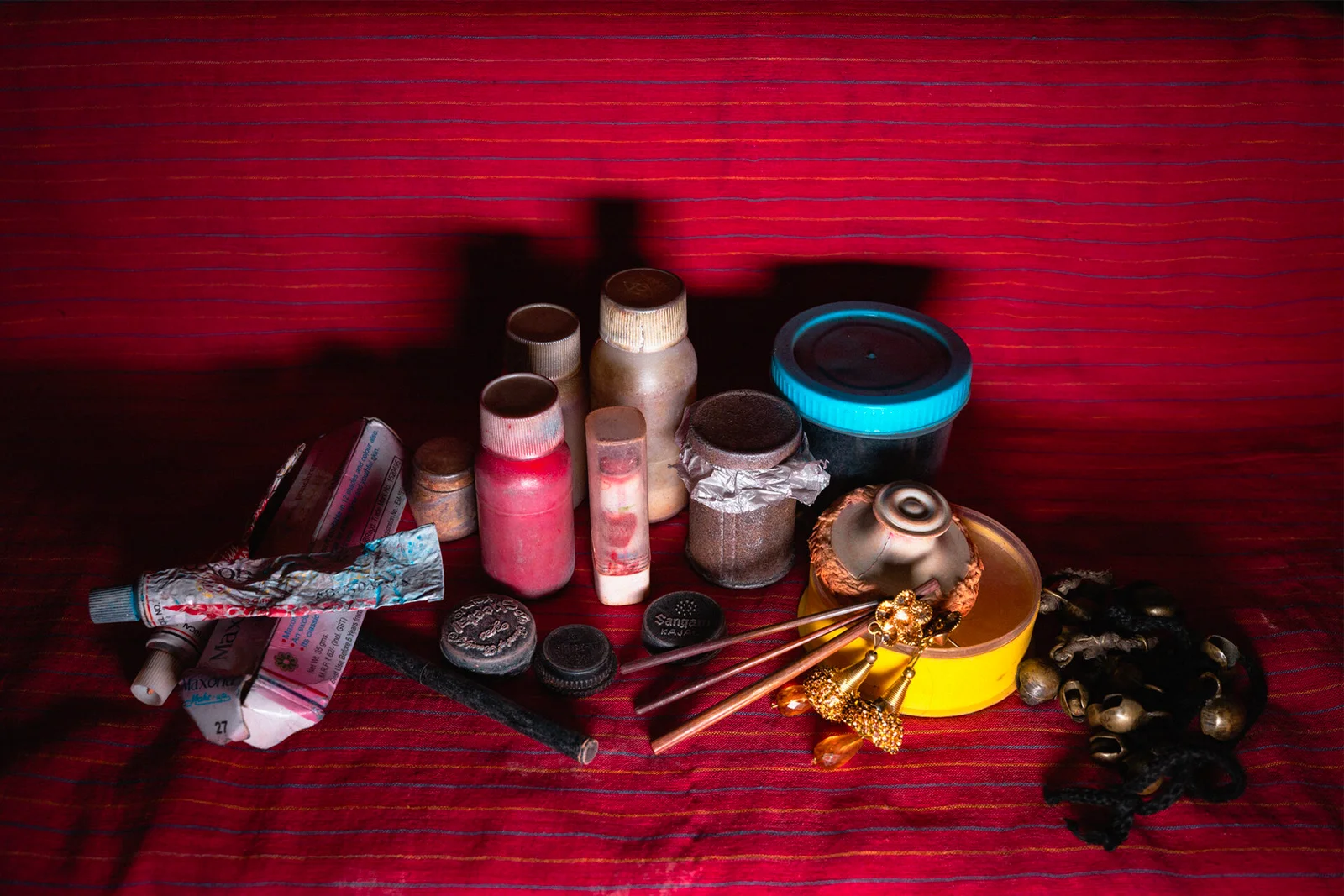
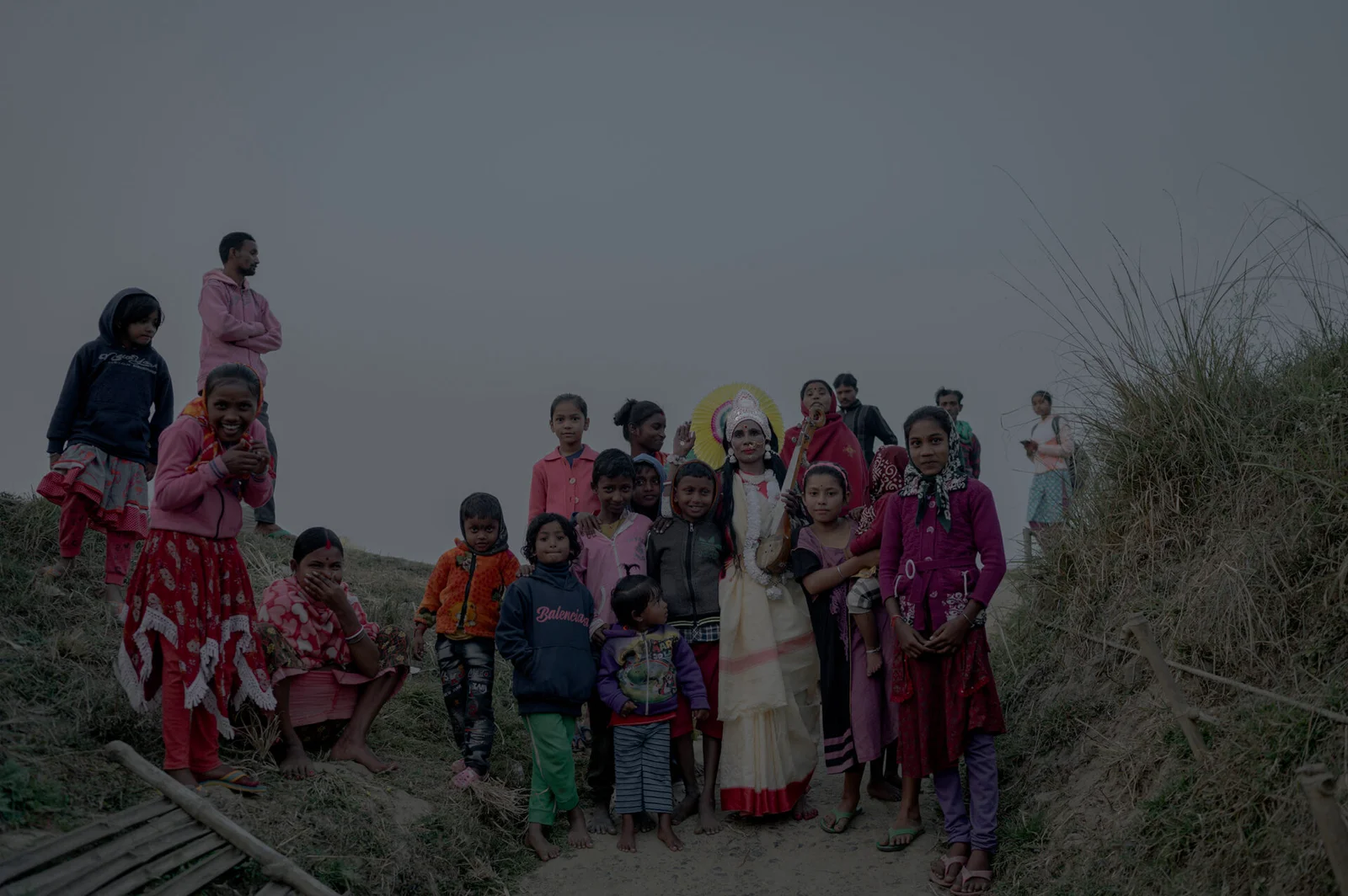
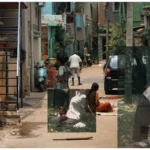
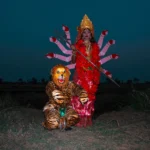
Kolkata based multidisciplinary artist Shrabana Das’ Shape Shifting Ladies is a continuing project on women bohurupi — bohu meaning many, and rupi meaning forms — of Bishaypur, a far removed village in the interiors of West Bengal’s Birbhum district, India. Through popular culture, be it cinema or literature, or public memory, men as bohurupi artistes have stayed with society as a whole. But when it comes to women artistes, the conscious memory has close to no recollection, but they exist.
“I used to go visit their houses every day, visit their village every day for 7-8 months… I had many encounters with them, and that is exactly why they told me so many stories about them, their ancestors and also all the archival images that each of them kept of all the artistes in their houses, specifically of the male artistes. I have not seen any pictures of the female artistes,” Shrabana says while recollecting her journey to find the women bohurupi artistes of Bengal.
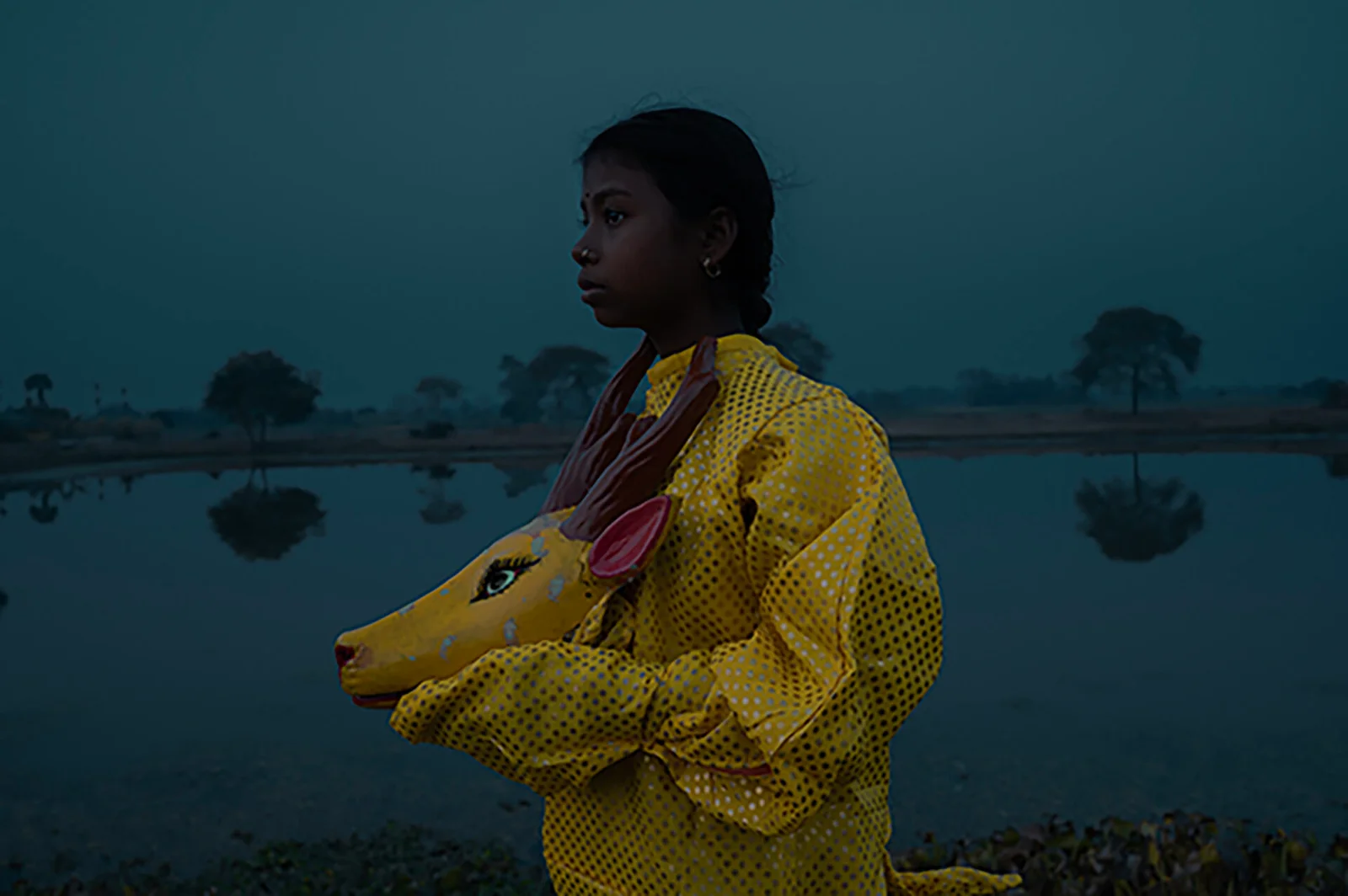
Shrabana started researching on the bohurupi performers way back in 2023 when she was pursuing Masters of Fine Arts at Visva-Bharati University, Santiniketan, West Bengal. There, she came across this community who are quite popular in the region. Being around them, visiting their homes, tagging along to performances, gave her a glimpse into their daily lives. In 2025 when she was an artiste in residence at Hidden Artist’s Initiative, she started interacting with the performers and their family members more closely, especially the women of the house.
These conversations gradually revealed a largely undocumented history.
Along with the men, many of these women also travelled to faraway places to perform and earn for their families. In recognition of their art form and practice, they also have ‘Lok Shilpo’ cards — a kind of ID card, issued by the government. But somehow, “their presence survives almost like lore, held through stories, witnesses, memory, and lived experience rather than formal records.”
“They told me that when women came out dressed in colourful costumes, people stared at them constantly,” Shrabana says. “Now most women only perform during festivals or fairs, and often only alongside male relatives.”
This loss was not only economical. It slowly led to a loss of their practice and presence in this art form, other than in bigger events. “Rather than approaching the work as formal documentation, I eventually came to the idea of staying with their stories and narratives as a witness and as a spectator”, she says.
Another significant incident convinced her to take up this project. Back in 2022, while travelling in a train, Shrabana was transfixed by a child artiste’s performance who was dressed up as a monkey, entertaining the travellers and asking for money. Even though the enactment was marvelous, people did not offer him a dime, making Das realise that somewhere the fate of all artistes’ are quite alike.
She highlights that this project is not about portraying that women bohurupi artistes are superior than their male counterparts, rather she just took on the journey to work on what was excluded from the archives. But Shrabana let the story brew and develop slowly in a manner so as not to impose her opinion about their culture, rather let their agency come through in her work, keeping it as authentic as possible.
She started documenting her work from mid-2025 and thought it would take 8-10 months to complete the project. It’s still ongoing, as she is working toward bringing a holistic approach to her work.
This project also points towards another impending crisis for art and, more importantly, for folk art. In the era of digital entertainment and the rapid rise of smartphone usage, no one spares a moment to watch these artistes perform in the street. This, added to poor economic conditions, has led to many abandoning the art form altogether.
Shining a light on this decaying art form, Shrabana’s project tries to archive a collective memory and the quieter histories of people, especially the women who never feature in the official versions and remain only in fragmented memory and oral histories.