(This article is based on Indian Visual Artist Ritika Singh’s long-term project To Be Held Someday)
It is said that grief is love with nowhere to go. It is not simply about loss, but it is a way of understanding love. Visual Artist Ritika Singh understands the texture and depth of grief in a way others often cannot delve into or express. For her, grief is “the longest shadow of love”, and that longing is proof that we were once held.
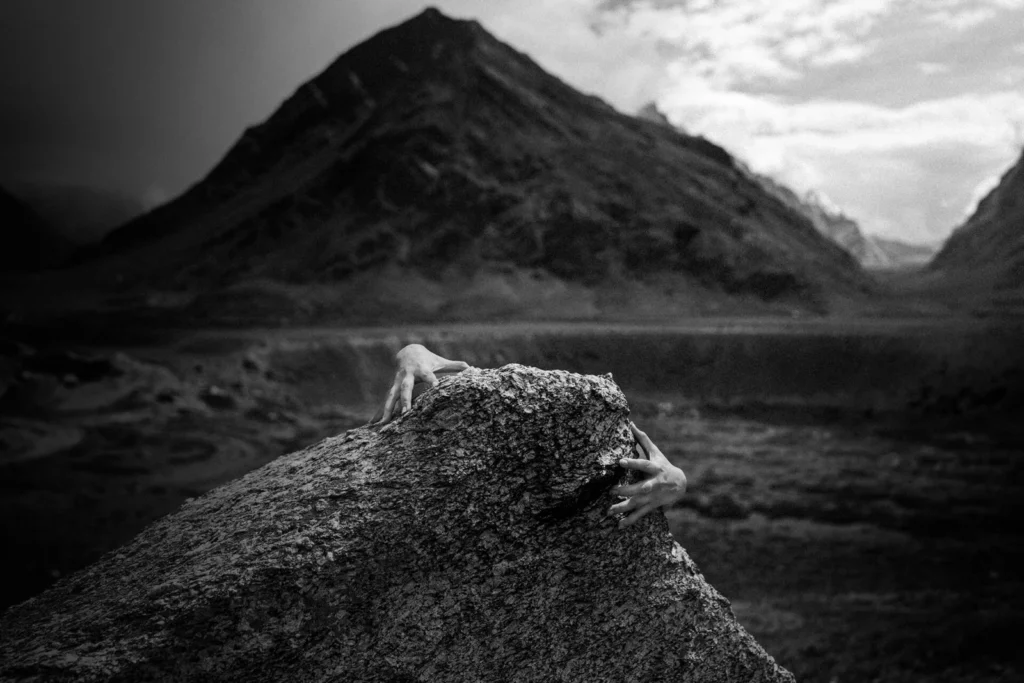
In her long form project titled ‘To Be Held Someday’, Singh explores the deep connection between grief and a love that understands its place. It expresses an angst that connects absence with a lack of love and a loss of childhood, the burden of emotional inheritance, and where a child’s grief shapes their worldview and artistic gaze. Her work does not illustrate grief, but examines what it does to identity, relationships and memories that shift with the passage of time.
‘To Be Held Someday’ was the culmination of a deeply personal question: what happens to the emotions we inherit from the world around us, even before we are old enough to process them? Like Singh, whose childhood experience of her mother was marked by emotions of exhaustion and absence, humans learn to absorb inherited emotions and later, understand them as adults. Singh grew up and realised that the childhood burdens of rage and isolation that she had absorbed were also layered with her mother’s strength, sadness, tiredness and silence. “The project became a way of giving that anger and grief a form, while asking a larger question: how much of what we believe about love, care and connection is actually inherited without words? The early connections one forms with parents and close family members mould how a person interacts with the world, and that is the thread that binds ‘To Be Held Someday’ together,” she explains.
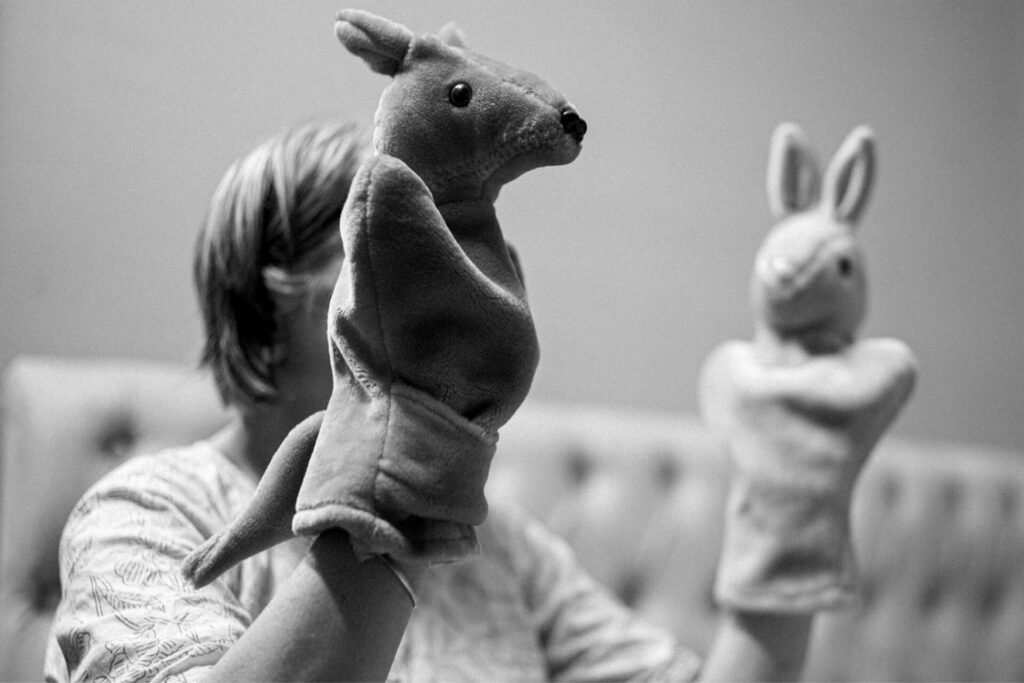
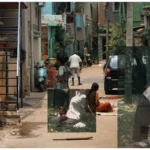
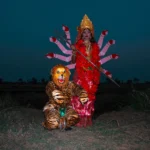
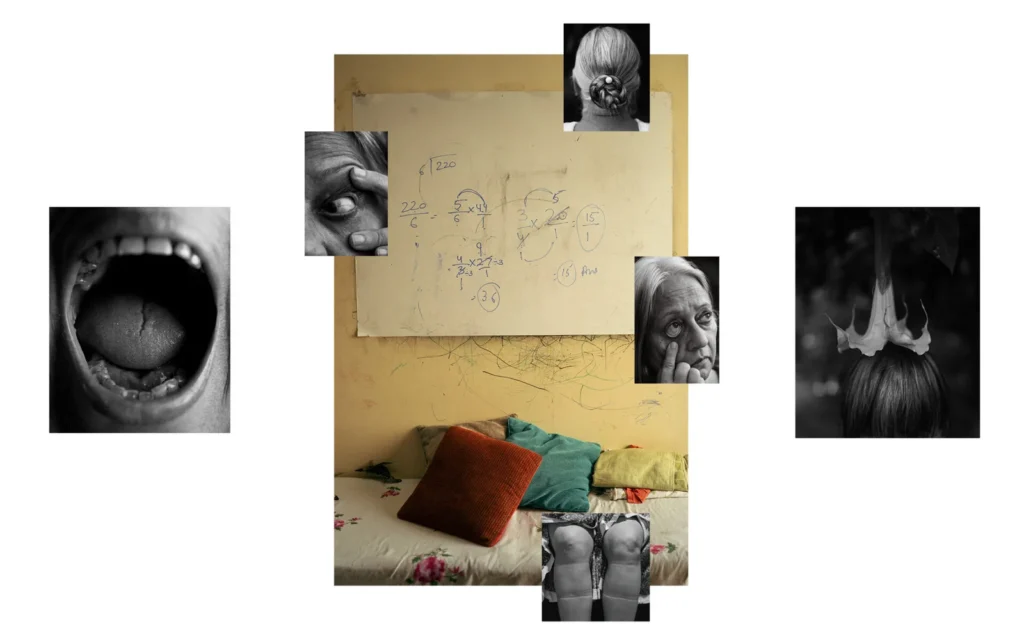
Through a series of photographs combining various narrative styles and media, this visual story shines a light on several questions about identity, a woman’s identity as a daughter and an individual with her own understanding of the world. It amplifies how Singh refuses to confine her work to a single visual language. Every image asks a different question, and leads one to myriad interpretations – whether autobiographical or abstract.
“The work is so much more about how I am trying to find myself, though it starts through my mother’s story because she has impacted me the most,” Ritika explains. “It understands and respects her burdens, but it is not biased by that connection. I titled it ‘To Be Held Someday’ because it directs how I want to someday hold myself, and also let others hold me.”
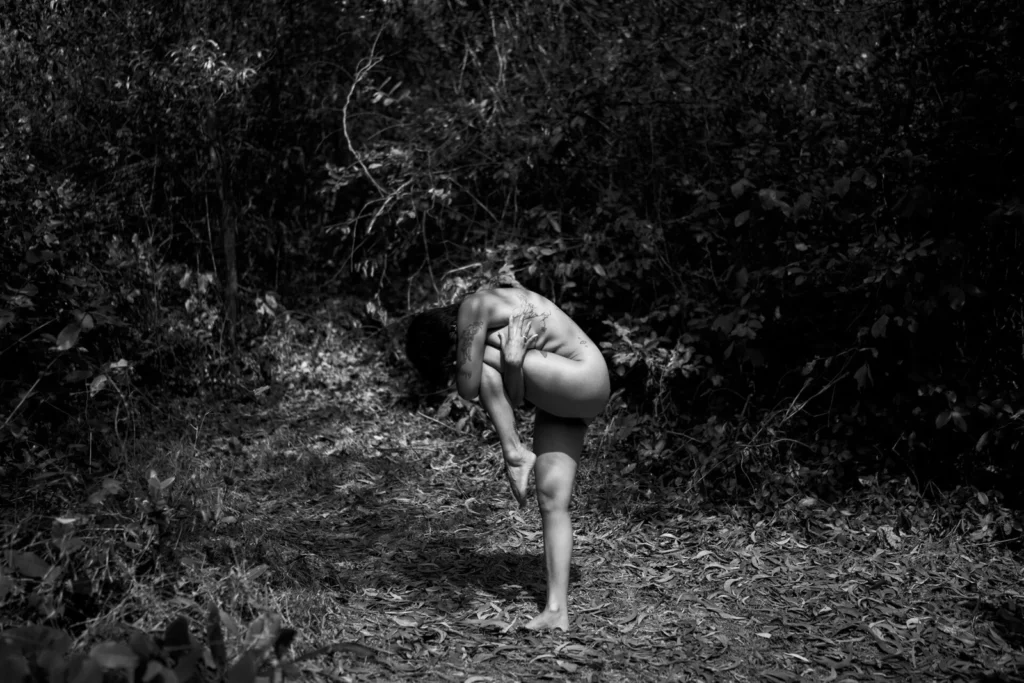
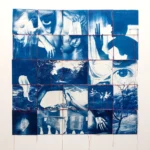
The sequence she shared with Indian Documentary Photo Collective, starts with a metaphorical look at the world nestled inside her brain, but which she holds in her body in the form of a huge rock. “This rock represents where I held it all together, all the tightly held grief and anger,” she explains. But she sums up her use of archival photographs in a particularly poignant manner: “Family archives are often treated as evidence of the history we carry forward and a proof of how our lives were lived. But every time I revisit an old photograph, I feel like I bring my present self into it. I believe the archives keep changing if I change constantly [as a person].” She adds, “Archives become like a living object of the memory they are carrying. The medium allows me to reinterpret memories that have been experienced by someone else, but through the knowledge and emotion that I carry today.”
This point is illustrated by the ‘layering’ Singh uses in a picture of her mother wearing a bindi. This bindi-wearing woman is not the mother Ritika experienced in her childhood, but as a photographer, it was a memory she reconciled with the mother she knew.
Then there is the frequent change in texture and pattern (still photography, cyanotype, archival images) as a deliberate attempt to ‘unsettle’ the viewer’s gaze. It reflects how their creator held several conflicting and overlapping feelings and emotions that were sometimes confusing, but are now beautiful in retrospect. While the archival images reconcile memory with interpretation, the mixed media traces an arc of discovery and redemption. The clever use of cyanotype documents how Singh views herself, the world around her, and, more importantly, the love she has allowed herself to receive and build for herself. It also explores the emotional architecture of ‘home’ and how she built a home of her own.
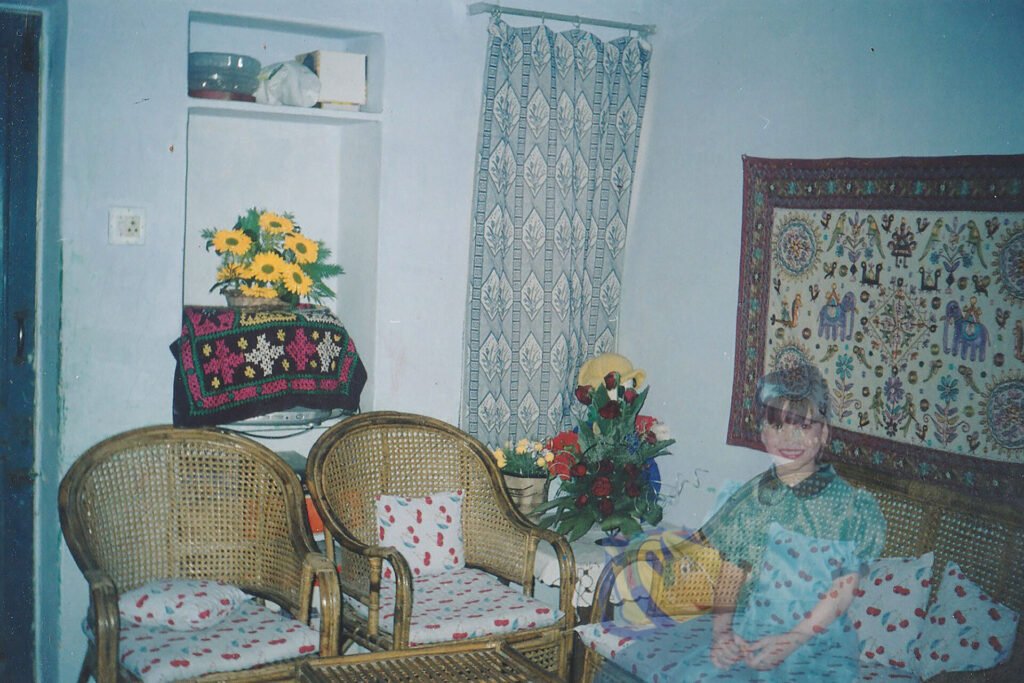
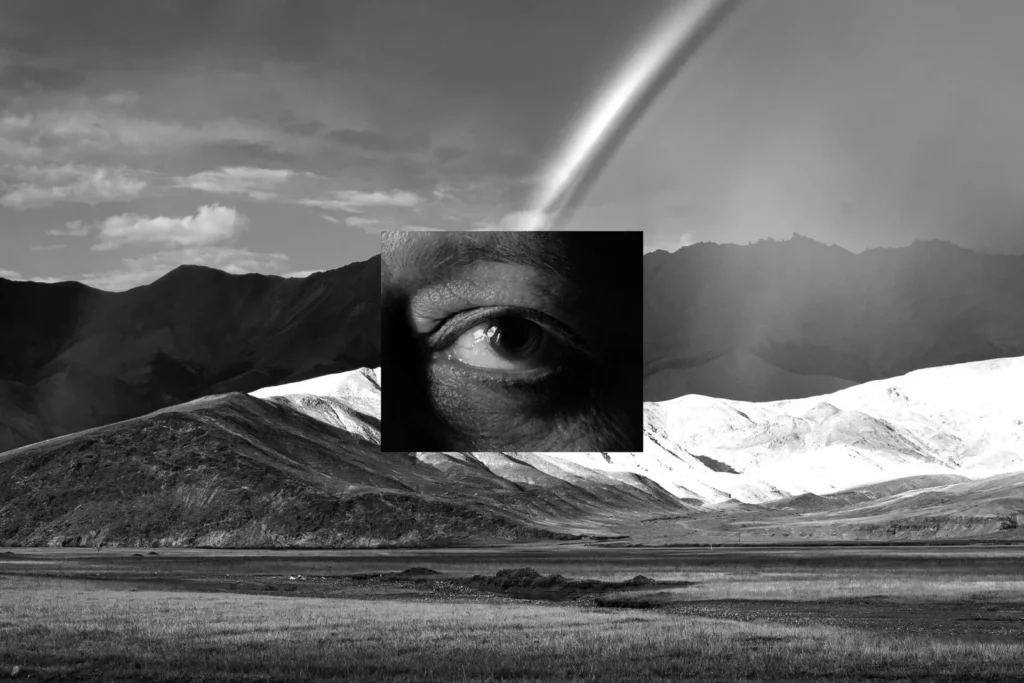
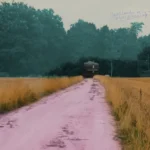
“I had to dissociate myself from the vulnerability of the work, but also hold myself in it just enough to express longing, make peace with that longing and draw boundaries for myself,” Ritika explains, showing a representative image of her childhood self juxtaposed with a solo photograph of her mother to hint at a relationship that never truly existed. Finally, there is the incredible artistic breadth of her vision in the landscapes she documents as “material forms for emotions.”
To Be Held Someday’, interestingly, is not finite or finished – the work is an ongoing one poised to take off in different directions into other relationships. “It will go on till I feel held. But other than this, I have been working on another small project titled ‘Chairs Without People’, where I document chairs without the presence of humans around, and how a chair is a daily object that holds a human and shapes a human form; it has arms and legs to support a human. It carries a lot of memories and feelings,” she explains. One cannot help but notice that this smaller project also carries the same undercurrent of memory, inheritance, loss and discovery. For now, ‘To Be Held Someday’ enthrals viewers with its ongoing inquiry into how we carry grief, a love that changes form, and how photographs hold not just our history but our memories.
All Image © Ritika Singh